Application/quote
What happened
You requested coverage
Why it matters
Shopping event, not necessarily benefit start

The day you buy a policy is not automatically the day every benefit can be claimed.
Use these checkpoints to frame the literal question before reading the full guide.
You can submit a pet-insurance claim only when the policy’s claim process allows it, and payment still depends on whether the event is eligible. Build a timeline with the application date, policy effective date, any benefit-specific waiting period, first signs or symptoms, treatment date and submission deadline. The controlling dates come from the issued policy and claim instructions.
The sections below show how to verify the answer and what can change it.
| Date | What happened | Why it matters |
|---|---|---|
| Application/quote | You requested coverage | Shopping event, not necessarily benefit start |
| Policy effective date | The issued contract begins | Starting point for coverage analysis |
| Waiting-period end | Applicable benefit becomes eligible, if the contract uses one | Timing gate |
| First sign or symptom | Medical history begins for the event | Can matter to pre-existing-condition analysis |
| Treatment/invoice | Veterinary service is provided | Creates claim documentation |
| Submission | Claim and records are sent | Must follow policy/insurer procedure |
Administrative claim submission and coverage eligibility are different. You may be able to send the form, invoice and medical records, but the insurer can still determine that the event falls outside the applicable benefit, began before coverage was eligible, or includes excluded charges. Keep the timeline and policy clause together so you can see which decision is being made.
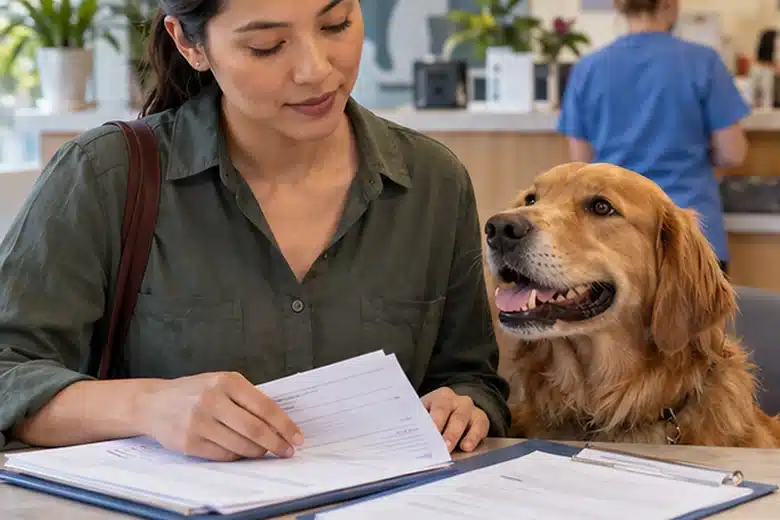
Confirm the pet and policy number.
Verify the effective date and any waiting-period language that applies to the event.
Identify the first documented sign, not only the diagnosis date.
Collect the itemized invoice and requested veterinary records.
Check the submission method and deadline in the current claim instructions.
Coverage analysis is a financial/contract question. Medical urgency should be handled with the veterinarian; insurance eligibility can be documented separately.
Keep policy terms, deductible, reimbursement and limits beside the quote so the comparison stays consistent.
A condition that begins near the effective date or waiting-period boundary can turn on precise documentation. Keep contemporaneous veterinary notes, appointment records and policy documents. Reconstructing dates from memory after a denial is less reliable than preserving the record as care occurs.
Not necessarily. The effective date and any applicable waiting-period rules must be checked.
Not always. Earlier symptoms, signs, advice or treatment may matter under the policy definition.
Many reimbursement products work that way, but follow the specific claim instructions and deadlines for your policy.
Keep the policy terms beside the price, then continue to rates when the comparison is clear.